PSYC2019PAI44027 PSYC
Associations between Nostalgia and Attitudes towards Intimate Partner Violence
Type: Undergraduate
Author(s):
Anita Pai
Psychology
Cathy Cox
Psychology
Julie Swets
Psychology
Malia Yraguen
Psychology
Advisor(s):
Cathy Cox
Psychology
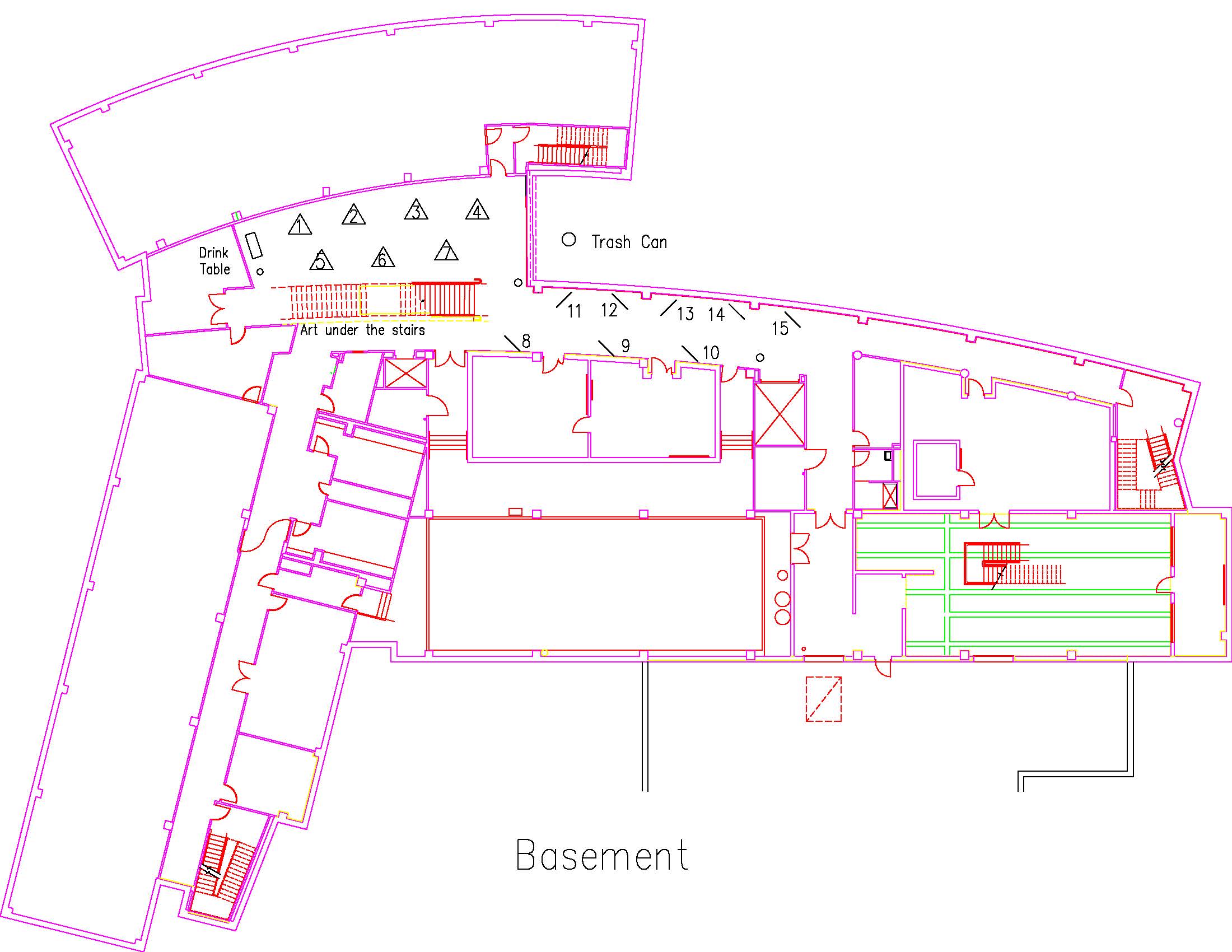
Location: Session: 1; Basement; Table Number: 6
View PresentationThis study explored the extent to which nostalgia proneness (a sentimental longing for the past) is associated with attitudes towards intimate partner violence (IPV). Research has found that individuals who report more conflict in their romantic relationships also report being more nostalgic for their own and for their relationships’ past. If nostalgia is related to more conflict in relationships, then it may also be related to greater acceptance of IPV. In this study, a sample of 142 participants completed measures of self-relevant nostalgia, relationship-relevant nostalgia, and attitudes toward IPV (using it and enduring it), and relationship outcomes (e.g., optimism, satisfaction, commitment). Results showed positive correlations between nostalgia (self-oriented and relationship-centered) and self-use of IPV (both using it and enduring it). These preliminary results suggest that a sentimental longing for the past is associated with endorsement of IPV use, however, other unexplored personality variables such as attachment style may moderate these associations. Future work should explore these findings in experimental and longitudinal designs.
PSYC2019PENN9049 PSYC
Regulation of Emotional Learning in Older Adults
Type: Undergraduate
Author(s):
Daniel Penn
Psychology
Paige Northern
Psychology
Amber Witherby
Psychology
Advisor(s):
Uma Tauber
Psychology
Location: Session: 2; Basement; Table Number: 12
View PresentationInvestigating how people regulate their learning is important because study decisions can impact actual learning. Compared to younger adults, older adults often show age-related deficits in memory. This deficit may be because older adults are less effective at regulating their learning. One factor that can influence memory is the valence of information. Prior research has established that older and younger adults are more likely to recall emotional information compared to neutral information and also predict that emotional information will be better remembered relative to neutral information (e.g., Tauber & Dunlosky, 2012). It is unclear how both age groups regulate their learning of emotional and neutral information. Investigating this issue, older and younger adults studied words that were positive (e.g., circus), negative (e.g., snake), or neutral (e.g., fork). Participants regulated their learning by self-pacing their study (Experiment 1) or by selecting half of the words to restudy (Experiment 2). After studying each word, participants predicted the likelihood of remembering it on a scale of 0% (will not remember) to 100% (will remember). Finally, participants took a free-recall test. Consistent with prior research, both age groups demonstrated higher predicted and actual memory for emotional information relative to neutral. Importantly, both age groups’ self-paced study times did not differ for emotional and neutral information. In contrast, both age groups restudied neutral words more frequently than emotional words. Thus, when participants were forced to strategize their learning, both age groups made good study decisions, prioritizing neutral information at the expense of emotional information.
PSYC2019PITCOCK43755 PSYC
Effect of Auricular Vagus Nerve Stimulation on Novel Letter Learning in Dyslexia
Type: Undergraduate
Author(s):
Madeline Pitcock
Psychology
Abby Engelhart
Psychology
Grace Pecoraro
Psychology
Zoe Richardson
Psychology
Vishal Thakkar
Psychology
Advisor(s):
Tracy Centanni
Psychology
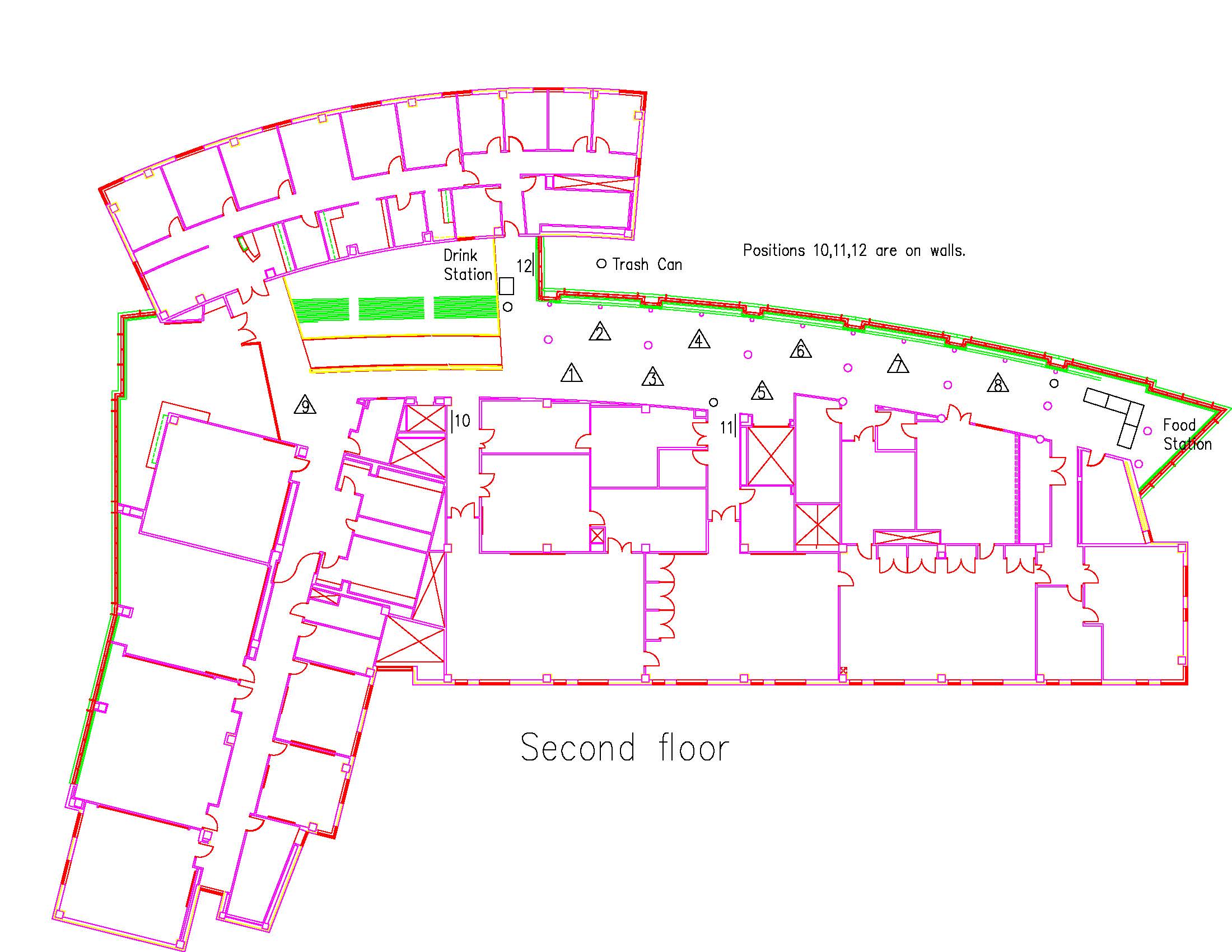
Location: Session: 1; 2nd Floor; Table Number: 8
View PresentationFor my SERC grant proposal, I studied the effect of auricular vagus nerve stimulation (aVNS) on learning in adults with dyslexia. The vagus nerve is a cranial nerve that, when stimulated, initiates the release of two neurotransmitters (NT’s) that are important in learning and memory (norepinephrine and acetylcholine). When a stimulus is presented at the same time as vagus nerve stimulation, this increases neural plasticity for the paired item. We have already tested this approach on typically-developing adults using the auricular branch of the vagus nerve, which runs through the ear and can be stimulated non-invasively. During this intervention, timed bursts of electrical stimulation were delivered while the participant learned novel letter-to-sound correspondences for Hebrew letters with the goal of increasing recall and automaticity. We have already found significant improvements in letter recognition, reading speed, and nonword decoding in typically-reading participants receiving stimulation compared to those in control groups. Our ultimate goal is to help children with dyslexia read more fluently. In the first step towards this goal, we enrolled a group of adult participants with dyslexia who received 10 days of Hebrew orthography training paired with aVNS. Participants were evaluated at four timepoints to monitor learning and compare progress with other groups: at day 1, halfway through training, at the end of training, and 3 weeks after training ended. We measured letter recognition, letter-to-sound fluency, and decoding at each time point. We will present our preliminary findings at SRS and discuss future directions.
PSYC2019SHORT15670 PSYC
Early Life Environmental Factors, Impulsivity, and Inflammation in Children
Type: Undergraduate
Author(s):
Tori Short
Psychology
Jeffrey Gassen
Psychology
Sarah Hill
Psychology
Summer Mengelkoch
Psychology
Advisor(s):
Sarah Hill
Psychology
Location: Session: 1; Basement; Table Number: 11
View PresentationEarly life stress has shown to be related to an increased preference for smaller, more quickly acquired rewards over larger, delayed rewards—or an inability to delay gratification—a fundamental component of impulsivity. Beyond this, impulsivity is also characterized by difficulty concentrating and exercising self-control and has been found to significantly impact learning and memory. Specifically, in children, higher impulsivity is associated with greater learning difficulties, such as with reading. Previous research has also shown that adults with higher levels of inflammation portray higher impulsivity. The current study aims to investigate the relationship between impulsivity, inflammation, and childhood environmental conditions within children between the ages of 3-17. Saliva samples were collected from 248 children visiting the Fort Worth Museum of Science and History in order to measure current levels of proinflammatory cytokines, which indicate immune activation. Children then participated in a series of tasks that measured their ability to concentrate, learn to inhibit their responses, and delay gratification, while background and demographic information was collected from their parents. Results will reveal whether children growing up in stressful environments also have higher levels of inflammation and impulsivity.
PSYC2019SULLIVAN34412 PSYC
Polarization of Moral Judgements
Type: Undergraduate
Author(s):
Sarah Sullivan
Psychology
Timothy Barth
Psychology
Kaleigh Decker
Psychology
KatieScarlett Ennis
Psychology
Charles Lord
Psychology
Vishal Thakkar
Psychology
Advisor(s):
Timothy Barth
Psychology
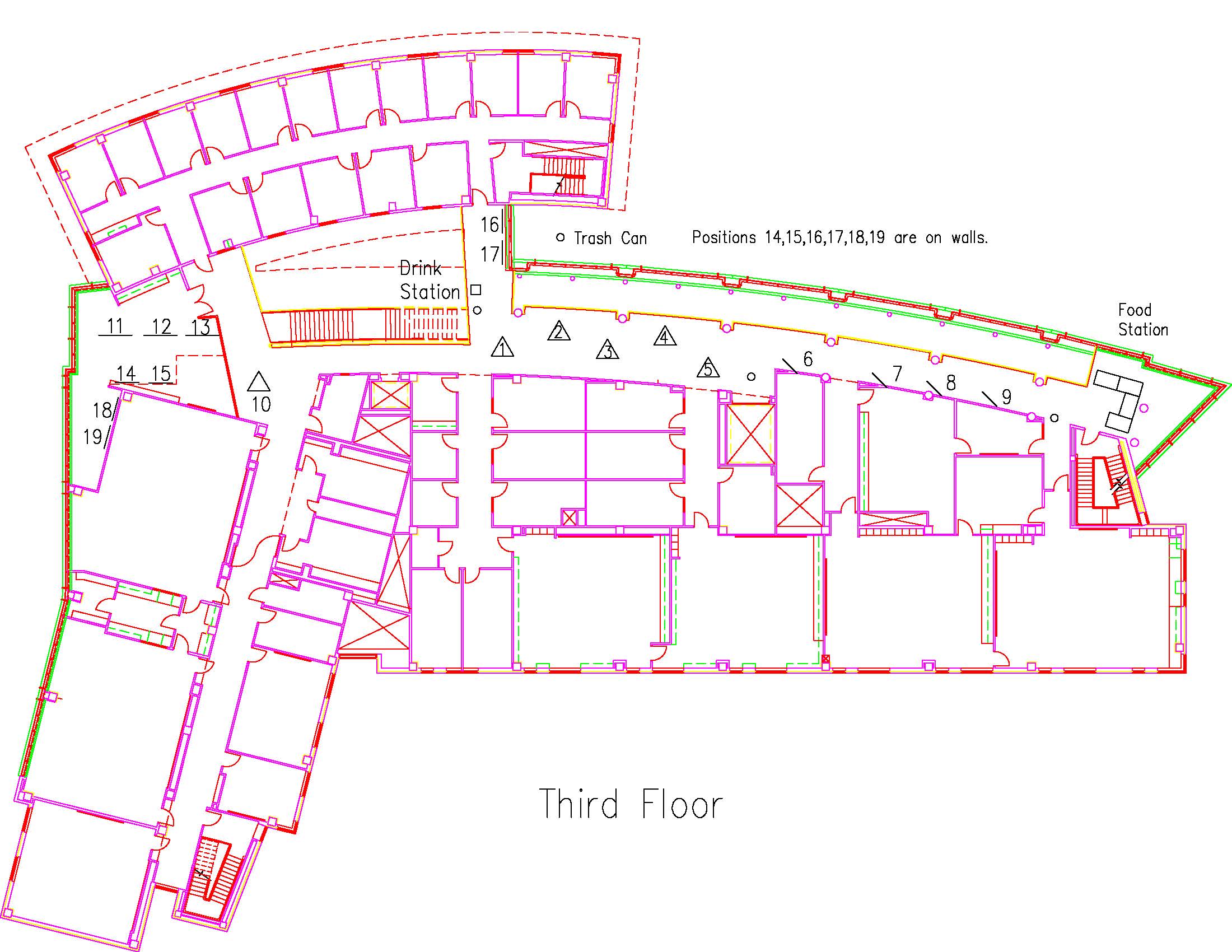
Location: Session: 2; 3rd Floor; Table Number: 3
View PresentationAttitude Representation Theory (Lord & Lepper, 1999) asserts that individuals evaluate attitudes based on a subset of associations. As this subset of associations varies, attitudes can vary as well. Previous research demonstrated that people can mistake self-generated information for provided information, through source monitoring errors (Johnson, Hashtroudi, & Lindsay, 1993), after extrapolating beyond the information given (Lu, 2015). We sought to apply ART and cognitive tasks (e.g., extrapolation, embellishment, and validity) by having participants judge the actions of fictitious groups. Although these groups are fictitious, they allude to current political viewpoints. We tested the effects of extrapolation (thinking about additional attributes of a target group; Experiment 1), embellishment (convincing a friend not to join the target group; Experiment 2), and biased assimilation (testing truth and validity of sources; Experiment 3) on polarization of moral judgments. Compared to a control group, embellishment polarized negative attitudes toward the group. The current set of studies could shed some insight about how people view issues, self-radicalize judgments, and understand thoughts of lone-wolf terrorists.