BIOL2019NIEBUHR1960 BIOL
A new community partnership for advancing Adolescent and Young Adults (AYA) cancer programs
Type: Undergraduate
Author(s):
Brian Niebuhr
Biology
Sophia Cosmich
Biology
Phat Do
Biology
Sarah Nagel
Biology
Caroline Wade
Biology
Advisor(s):
Matt Chumchal
Biology
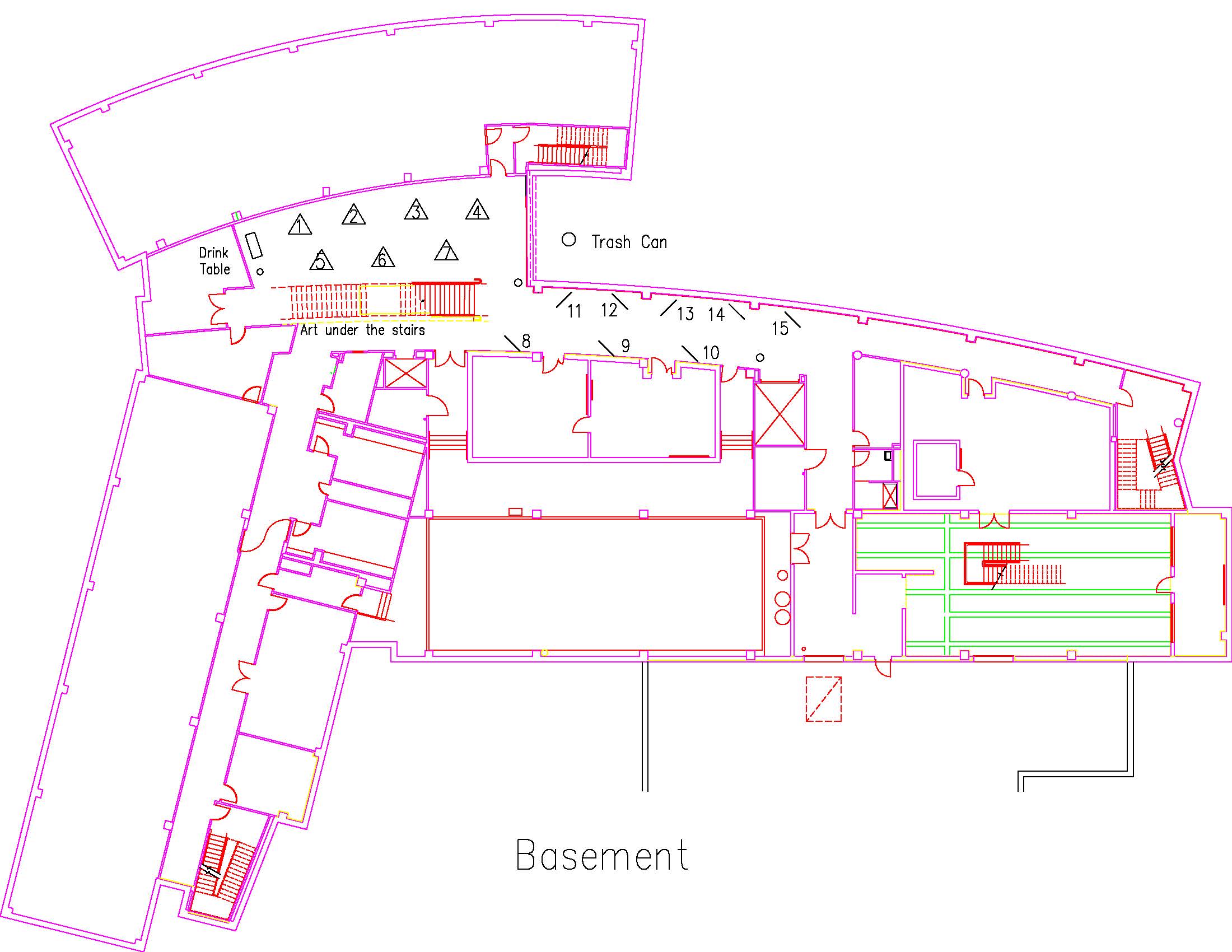
Location: Session: 1; Basement; Table Number: 2
View PresentationIn partnership with UT Southwestern Moncrief Cancer Institute (MCI), the FWAYA Oncology Coalition, and TCU Pre-Health, our dedicated group of senior students at Texas Christian University aim to organize an awareness week for Adolescents and Young Adults (AYA) with cancer during the national AYA Cancer awareness week (3/31-4/6) of spring 2019 to reach students on campus. The Moncrief Cancer Institute has a leading AYA cancer program, offering individualized treatment, support, and therapy at no cost for patients who have been diagnosed with cancer. AYA oncology refers to the care and research focused on adolescents and young adults diagnosed with cancer, specifically those between the age of 15 to 39 years old. Every year 80,000 AYA’s are diagnosed with cancer in the U.S, and 600 of these patients are living in and around Tarrant County. The goal of our project is two-fold. First, we seek to raise awareness for programs and resources available to AYA patients with cancer through a campus campaign. As many members of the Texas Christian University identify between the ages of 15 and 39, we believe this cause is pertinent to TCU’s population. Second, we seek to connect the TCU community with events hosted in DFW by UT Southwestern Moncrief Cancer Institute and the FWAYA Oncology Coalition. TCU AYA Cancer Week 2019 is an Experiential
Projects that Impact the Community (EPIC) Grant project.
BIOL2019REYNOLDS33549 BIOL
NS5A 10A, a Non-Structural Protein of HCV, and its Effect on the Innate Immune Response
Type: Undergraduate
Author(s):
Eli Reynolds
Biology
Advisor(s):
Giridhar Akkaraju
Biology
Location: Session: 1; 2nd Floor; Table Number: 3

View PresentationHepatitis C is a disease of the liver that is caused by the Hepatitis C virus. The Hepatitis C virus (HCV) chronically infects between 130-170 million people in the world making it a significant health burden. HCV is 9.6 kb single-stranded RNA virus and a member of the Flaviviridae family of viruses which includes viruses such as Zika and Dengue. It is a smaller virus with a mature virion size between 50-80 nm. With a specific tropism for liver cells, the diseases of Hepatitis C are accordingly associated with the liver. The two predominant diseases related to HCV infection are cirrhosis and hepatocellular carcinoma. These are both caused as a result of chronic infection which occurs in about 80% of cases as opposed to acute infection which composes only 20% of cases. In order to establish a chronic infection the virus has evolved the ability to inhibit the innate immune response leading to a greater likelihood of reproduction and survival. Our specific interest was the mechanism by which HCV evades the host immune response. In previous studies we have shown that NS5A 10A, a mutant protein of NS5A, inhibits the activation of the IFN-β promoter which serves a key role in the innate immune response. In this paper we investigate the specific mechanism of the ability of NS5A 10A to interfere with the activation of the IFN-β promoter.
BIOL2019SANCHEZ1178 BIOL
The Effects of Microgravity on Red Wiggler Earthworms
Type: Undergraduate
Author(s):
Alyssa Sanchez
Biology
Sara Gutierrez Cortazar
Biology
Carolyne Harvey
Biology
Heston Irons
Biology
Sohan Islam
Biology
Ashlyn Johns
Biology
Advisor(s):
Magnus Rittby
Biology
Location: Session: 2; 2nd Floor; Table Number: 3
View PresentationWe are in the process of conducting a study on the effects of microgravity on Red Wiggler Earthworm decomposers. This experiment has been chosen for flight to the International Space Station to be conducted in the next several months. If we are to explore other planets in the future, we are hopeful that decomposers can grow and live successfully to bring the benefits that come with their existence. Ecosystems rely on decomposers as a building block to break down nutrients for plants. Decomposers are a critical part of an ecosystem. Earthworms play a role in in an ecosystem to constantly recycle broken down organic matter. With our experiment, we will gain more information about the growth of an Earthworm in microgravity. This experiment can help further space exploration to understand the effects of the microgravity on the growth of Earthworms.
Earthworms are crucial to the colonization of a planet due to being decomposers. They improve nutrients of the soil and they remove the dead roots, grass, and biotic factors by breaking them down. Breaking down organic matter to improve the fertility of the soil and create air pockets is such an important step in the process of decomposition. These air pockets are another benefit to the soil because it allows air flow through the soil. If we study the growth of the earthworm in microgravity, this could possibly help gain information in the process of growing produce and colonization on other celestial bodies in the future. This experiment will allow us to learn how a living organism reacts when it is growing and changing in microgravity. One part of this experiment is that we are going to compare the size of the earthworms grown in microgravity to the earthworm grown in Earth’s gravity. The growth size is a determining factor to whether earthworms are able to further space exploration and assist with the colonization of planet.
This experiment requires special handling during transportation to the International Space Station. We will be using a mini lab system provided called a Fluid Mixture Enclosure (FME) provided by the organization for the Student Spaceflights Experiment Program. This tube will be refrigerated from Burleson, TX. to NASA with a temperature of at least 40℉ or below. It will also need to be refrigerated on its return to Burleson, TX from NASA. We will follow the same experimental process with the control test on Earth.
BIOL2019SANCHEZ19802 BIOL
The Effects of Lentil Bean Growth in Microgravity
Type: Undergraduate
Author(s):
Alyssa Sanchez
Biology
Macie Davis
Biology
Olivia Earley
Biology
Alex Mercer
Biology
Ava Monroe
Biology
Itzel Perez Orozco
Biology
Advisor(s):
Magnus Rittby
Biology
Location: Session: 2; 2nd Floor; Table Number: 3
View PresentationWe will be attempting to answer the question: What is the effect of microgravity vs gravity on the growth of a lentil bean? We chose this test subject to determine if lentil beans are a solution to help bone density issues and bone degeneration while astronauts are onboard the International Space Station.
While astronauts are in space, their bones degenerate and they lose muscle tone. Lentil beans can help bones and muscles develop as they contain calcium, magnesium, potassium, and protein. In our experiment, we hope to learn the effects of microgravity on plant growth ans to see if lentils grow the same in both environments. We can also use the information gathered from the lentils to conclude whether or not microgravity conditions are an adequate environment for farming and developing crops, which in turn will help determine if lentils are an appropriate crop to cultivate while on board the ISS.Lentil beans are part of the legume family, which are usually inexpensive, nutritionally dense and a great source of protein. They are also a good source of calcium, magnesium, and potassium. Besides human consumption, lentil beans can be used for livestock feed too. In the agricultural context, the lentil beans can be utilized as a rotational crop with wheat. Lentil beans are a highly nutritious food, rich in minerals, protein, and fiber. Lentil beans are an economical source of protein, meaning it is affordable at a low-cost to prepare the beans. Lentil beans can be used as a supplement to a grain diet due to the high-protein and high-carbohydrate nutritional content.
Our hypothesis is that lentil beans will grow faster in space since there is a lesser amount of gravity in the ISS. Our experiment will help us understand how to better provide a sustainable food source for astronauts. Lentil beans, along with exercising, will allow their bones and muscles to stay strong and healthy in a microgravity environment. With our collected data after the experiment, the science community will understand how the effects of microgravity have on the growth of the lentil bean. If we explore and further understand the growth effects in microgravity of a lentil bean, this will allow us to seek deeper into understanding how other useful plants will grow in microgravity. This study will add to the research that has already been conducted. This experimental test is crucial to analyze the adjustments or changes that might need to occur to continue the legacy of the lentil bean in microgravity.
BIOL2019SCOLMAN31583 BIOL
Yellow bat fatality at wind farms – what can we learn using genetic approaches?
Type: Undergraduate
Author(s):
Kara Scolman
Biology
Austin Chipps
Biology
Advisor(s):
Amanda Hale
Biology
Dean Williams
Biology
Location: Session: 2; 2nd Floor; Table Number: 6
View PresentationLarge numbers of bats are killed at wind energy facilities world-wide and there is a pressing need to improve our understanding of why this is happening and develop effective strategies to minimize impacts. Although Texas has more installed wind energy than any other state in the U.S., there are very few publicly available data about bat mortality at Texas wind farms. This is especially true of areas that are only recently seeing wind energy development, such as far south Texas in the Rio Grande River Valley. A couple of reports suggest that northern yellow bats (Lasiurus intermedius) and southern yellow bats (Lasiurus ega) may frequently be killed at these wind energy facilities, but we know very little about population sex ratios or population structure in these two species. In collaboration with a researcher at Texas State University, San Marcos, we have extracted DNA from tissue samples taken from 88 northern yellow bats and 64 southern yellow bats killed at wind farms in Starr and Hidalgo Counties. First, we used a genetic method, in which we amplified regions of the X and Y chromosomes using PCR, to determine the sex of the bat carcasses. Next, we used a DNA barcoding approach to assess the accuracy of species identification in the field. These efforts represent the first steps in a study to evaluate genetic diversity and population structure in two species of yellow bats that will likely be negatively impacted by wind energy development.
BIOL2019SELF31586 BIOL
Diet Analysis of Nestling Red-Winged Blackbirds
Type: Undergraduate
Author(s):
Misty Self
Biology
Tom Thalhuber
Biology
Advisor(s):
Matt Chumchal
Biology
Ray Drenner
Biology
Location: Session: 2; 2nd Floor; Table Number: 7
(Presentation is private)Methylmercury (MeHg) is an environmental contaminate that has harmful effects on
wildlife. Anthropogenic sources like coal mining emit inorganic mercury (Hg) into the
atmosphere. From the atmosphere, Hg is deposited into aquatic ecosystems. Once in aquatic
ecosystems, inorganic Hg is converted to MeHg by bacteria and enters the food web. Emergent
aquatic insects (e.g. dragonflies), insects with aquatic larval stages and terrestrial adult stages,
will transport MeHg from the aquatic ecosystem to terrestrial predators like songbirds.
This project focuses on MeHg contamination of nestling Red-winged blackbirds
(Agelaius phoeniceus) from nests at the Eagle Mountain Hatchery Pond Facility. It is believed
that nestling Red-winged blackbirds (RWBL) consume aquatic-based prey, primarily odonates
(damselflies and dragonflies) but can consume terrestrial prey as well. Odonates are known to
have high levels of MeHg contamination. Although studies have attempted to observe what
RWBL parents feed nestlings, there are no studies of the actual prey composition in the
nestlings’ digestive tracts. Insects consumed by birds can be analyzed because external coverings
of insect body parts (head capsules, mandibles, legs) are composed of undigestible chiton. This study looks at nestling RWBL diets to quantify odonates in their diets. We will sort through varying fecal samples from the Pond Facility in order to determine the diet composition of the RWBL, and if the composition correlates with MeHg levels in nestlings.
BIOL2019SKALLEY13801 BIOL
Developing a worm model to investigate breast cancer
Type: Undergraduate
Author(s):
Courtney Skalley
Biology
Rachel Klevit
Biology
Sam Witus
Biology
Advisor(s):
Mikaela Stewart
Biology
Location: Session: 1; Basement; Table Number: 4
View PresentationIn many patients with breast cancer, a mutation in their BRCA1 gene disrupts BRCA1 protein’s function as a tumor suppressor. One mechanism through which BRCA1 prevents cancer is by acting as an enzyme to attach a signaling protein called ubiquitin to a H2A, a DNA packaging protein. This attachment inhibits gene expression of DNA damaging proteins. Here, we determine whether enzymatic activity of BRCA1 towards H2A is a conserved feature in C. elegans, a microscopic worm used as a model organism.
To measure conservation, we used mutagenesis to introduce mutations into C. elegans’ BRCA1 at a region homologous to the known human H2A binding site. Similar to mutations at this site in human BRCA1, our results showed a decrease in enzymatic activity when mutations were present. This indicates that C. elegans BRCA1 and human BRCA1 use similar mechanisms of attachment to H2A. To develop tools to study this reaction in C. elegans, we need to understand the position on H2A to which ubiquitin is attached. To accomplish this, we generated C. elegans H2A using cloning to eventually determine the specific location of ubiquitin attachment.
BIOL2019SMITH53164 BIOL
The Effects of Insulin Crystallization Growth in Microgravity
Type: Undergraduate
Author(s):
Laura Smith
Biology
John Balian
Biology
Alexander Ferguson
Biology
Advisor(s):
Magnus Rittby
Physics & Astronomy
Location: Session: 2; 2nd Floor; Table Number: 3
View PresentationOur experiment is about diabetes and Human and synthetic insulin crystallization in a microgravity environment. This experiment is designed to help us find out if there is a way to prevent crystallization of insulin, especially if we understand how it happens in microgravity. When insulin crystallizes, the bacteria that usually makes it viable stops working. This would cause it to be ineffective for patients in dire need of this medication. To complete this experiment we would like to send three different varieties of insulin in a type 3 mini lab FME (Fluids Mixture Enclosure) to the International Space Station (ISS), kept in ambient temperatures, to see if it crystallization occurs within a certain amount of time. We will keep the experiment refrigerated at or below 40℉ during transportation to the ISS and again after arrival back to our lab to prevent crystallization occurring outside of the experiment. Refrigeration slows the crystallization growth and this is how it is stored on Earth. Keeping our experiment refrigerated during transportation is an important step because the insulin crystallization growth should only be measured while in microgravity. It is also important to note that crystallization of insulin is slow so change in crystal growth will not be evident if out of refrigeration for short periods of time. We would like to keep our insulin types out of refrigeration for a period of six weeks minimum. While testing insulin crystallization in microgravity, we will be conducting the same experiment on Earth as our control. If we can understand more about synthetic insulin, maybe one day diabetic men and women can follow their passion of being astronauts and humans with this disease will have the opportunity to go to microgravity environments for extended periods of time.
BIOL2019TAETZ44707 BIOL
The Effects of Hepatitis C Virus NS5A Protein on Antiviral Gene Expression
Type: Undergraduate
Author(s):
Sarah Taetz
Biology
Advisor(s):
Giridhar Akkaraju
Biology
Location: Session: 1; 2nd Floor; Table Number: 7
(Presentation is private)Hepatitis C virus currently infects around 130-170 million people. HCV, a member of the Flaviviridae family, causes chronic liver inflammation which can lead to liver cirrhosis or hepatocellular carcinoma. One of the nonstructural proteins of HCV, NS5A, is known to diminish the host innate immune response via inhibition of antiviral gene expression. NS5A blocks NFkB from entering the nucleus, decreasing transcription of IFN-B. Specifically, NS5A 10A, a mutant form of the protein, is known to greatly diminish the activity of the IFN B promoter. Our goal is to determine how WT NS5A and another mutant, NS5A H27, affect this pathway as well. We did this by transfecting HEK 293 cells with the NS5A mutant of interest, infecting the cells with Sendai virus, and subsequently measuring the activity of the IFN B promoter using a luciferase assay. In addition, NS5A contains three domains: I, II, and III. We are interested in determining which domain of NS5A is particularly important for blocking antiviral gene expression. We designed primers to created truncations of the protein containing the individual domains via PCR.
BIOL2019TRAN15907 BIOL
Uncovering the effects of thyroid disruptors on immune function of fathead minnows
Type: Undergraduate
Author(s):
Nghi Tran
Biology
Marlo Jeffries
Biology
Advisor(s):
Marlo Jeffries
Biology
Location: Session: 2; 3rd Floor; Table Number: 10

(Presentation is private)Previous studies showed that exposures to thyroid inhibitors during early stages of development lead to long-lasting alterations in disease resistance. Therefore, the goal of this project was to assess the effects of early life stages thyroid disruption on the maturation and function of immune cells using propylthiouracil (PTU)-exposed fathead minnow as a model system. The specific objectives of this study were to evaluate the impacts of early life stage PTU-exposure on 1) neutrophil migration and 2) transcriptomic markers of lymphoid and myeloid cell development. These objectives were accomplished by exposing fathead minnow embryos to 35 mg/L and 70 mg/L PTU for 10 days, while evaluating neutrophils migration with a tail nicking assay and assessing immune cell development by measuring transcriptomic markers of maturation at 10 days post fertilization (dpf). There were no differences in transcriptomic markers for lymphoid cell development between PTU and control groups. However, PTU-exposed larvae showed a decreased amount of neutrophils at wound site as well as decreased v-ymb expression compared to those of the control at days 7 and 10, indicating that early life stage thyroid disruption interfered with the normal development and subsequently reduced immune response in these organisms.
BIOL2019TRAN59888 BIOL
A Pharmacogenomics Retrospective Study on the CYP Gene and its Variants for the Efficacy of Various Drugs across Different Races
Type: Undergraduate
Author(s):
Nga Tran
Biology
Advisor(s):
Dennis Cheek
Biology
Location: Session: 2; 3rd Floor; Table Number: 1
View PresentationPurpose: The objective of this retrospective study was to identify genetic variants of gene encoding a major drug-metabolizing enzyme among two different races – African American and Caucasian – based on pharmacogenomics testing and interpretive report (GeneSight). The study might shed lights for the application of precision prescribing in the clinical settings in the near future.
Methods: A retrospective study of de-identified interpretive reports from GeneSight of sixteen individuals (n = 16) at the Mental health Mental Retardation (MHMR) of Tarrant County. There are five reports of male and eleven reports of female in this study, of which six are African American and ten are Caucasians. The study was divided into two groups based on their races. Percentage of different alleles within variants of the CYP gene family were determined. Based on genetic components of patients, drug recommendations were made by AsureRx Healh, Inc.
Hypotheses: CYP2 is known to be highly polymorphic in the scientific literature. It is hypothesized that genetic variants will be observed in the CYP2 gene.
BIOL2019TRULY25617 BIOL
Inducing Oxidative Stress Using Biotin Receptor Targeted Organometallic Compounds on Cancer Cells
Type: Undergraduate
Author(s):
Tate Truly
Biology
Advisor(s):
Giridhar Akkaraju
Biology
Kayla Green
Chemistry & Biochemistry
Location: Session: 2; 2nd Floor; Table Number: 5
View PresentationCancer is one of the leading causes of death in the United States and is predicted to directly affect 38% of the population over the course of their life. Cancer is categorized as a collection of diseases primarily characterized by aberrant cellular proliferation. Many current cancer therapies, such as chemotherapy, do not differentiate between cancer cells and normal cells resulting in a variety of negative side effects. In an attempt to minimize these side effects, there has been a huge impetus to develop targeted therapies, which exploit cancer-specific molecules to exhibit selective toxicity towards cancer cells. For example, the monoclonal antibody Trastuzumab (Herceptin) targets the Human Epidermal Growth Factor Receptor 2 (HER2) that is overexpressed in some breast cancer cells. Another cancer-specific molecule overexpressed in some breast cancers, as well as cervical cancers, is the receptor for biotin. Biotin, more commonly known as Vitamin B7, functions intracellularly as an important coenzyme for several carboxylase enzymes involved in fatty acid synthesis, amino acid metabolism and gluconeogenesis. Thus, by overexpressing the biotin receptor some cancers increase their overall absorption of biotin resulting in a higher metabolic and proliferation rate. Furthermore, the high metabolic rate in cancer leads these cells to have increased to damage by reactive oxygen species (ROS) which can trigger apoptosis at high intracellular levels. Therefore, our project is exploring this overexpression of the biotin receptor as a potential avenue for targeted therapy against certain breast cancers. Ferrocene is an organometallic compound with an iron-center that has been shown to generate ROS in cancer cells. Since certain breast cancers overexpress the biotin receptor and absorb biotin with a higher efficiency, we hypothesize that conjugating biotin to ferrocene will increase the efficiency of ferrocene entering cancer cells, resulting in selective toxicity. Therefore, we have produced a library of biotin-ferrocene conjugates to test their ability to selectively enter cancer cells and generate ROS. Experiments were conducted utilizing ferrocene and a variety of conjugates (C1, C2, C3, 2) in both cancer (MCF-7) and non-cancer cells (HEK293).
BIOL2019WADE5244 BIOL
Exploring the Endocrine Activity of Nitrate: Does Exposure Alter Hormone Levels and Reproduction in Adult Fathead Minnows?
Type: Undergraduate
Author(s):
Caroline Wade
Biology
Hannah Nettelblad
Biology
Advisor(s):
Marlo Jeffries
Biology
Location: Session: 2; 2nd Floor; Table Number: 5
(Presentation is private)Endocrine disrupting compounds (EDCs) interfere with hormone production and action. EDCs typically mimic native hormones and often have a similar structure to natural hormones. While previous animal studies suggest that nitrate alters the synthesis of testosterone, nitrate is different than typical EDCs as its structure is not similar to that of any naturally occurring hormones. Given this and the environmental prevalence of nitrate, the objectives of this study are to 1) determine if nitrate acts as an EDC and 2) to better understand the mechanisms and effects of nitrate exposures on hormone production and reproduction. To achieve these objectives, groups of sexually mature adult fathead minnows were exposed to nitrate for 28 days. On days 7 and 28 of the exposure period, minnows were sacrificed for the collection of blood and gonads. The blood was used to evaluate hormone levels, while the gonads were used for gene expression analysis. Additionally, during the exposure, endpoints indicative of reproductive capabilities were also evaluated. There were no significant differences between exposure groups regarding gene expression, and there were no dose-dependent differences in egg production over the course of the breeding study.
CHEM2019BLITCH45678 CHEM
Strong Hydrogen Bonds to Weak Bases: An Orbital Overlap Perspective
Type: Undergraduate
Author(s):
Alexandra Blitch
Chemistry & Biochemistry
Advisor(s):
Benjamin Janesko
Chemistry & Biochemistry
Location: Session: 2; 1st Floor; Table Number: 7

View PresentationIon solvation is fundamental in biochemistry. It controls the biophysical processes of protein solubility, reactivity, phase separation, crystallization and informational equilibria involving proteins and polypeptides. Ion solvation depends on the solute-solvent interactions which are governed by the properties of solvent like polarity, hydrogen bonding and ability to donate or accept electrons. These properties are subject to Pearson’s hard–soft acid–base (HSAB) effect and are characterized as hardness and softness of solvents. There have been attempts to connect the solvent hardness-softness to molecular properties and some empirical scales have been devised like μ-scale, DS scale and difference between the IR wavenumber shift of the C-I stretch of ICN and the O-H stretch of phenol. Only limited attempts have been reported to correlate the properties of solvents obtained from quantum chemical calculation to these empirical scales of solvent hardness-softness.
Our new quantum chemical descriptor, Orbital Overlap Distance, D(r), measures the size of orbital lobes that best overlap with the wavefunction around an atom. Compact, chemically stable atoms in the molecule tend to have overlap distances smaller than chemically soft, unstable atoms. Plots of D(r) on computed molecular surfaces, like electron density or spin density, distinguishes and quantifies the chemically soft and hard regions of a molecule. We propose that D(r) can be considered in terms of HSAB theory in order to predict solvation of ions. Our initial studies exhibit that D(r) of many common solvents correlates well with Marcus’s empirical μ-scale of solvent softness. Our studies provide a direct method to estimate the softness-hardness of solvents by using standard quantum chemical calculations.
CHEM2019BUCKINGHAM30657 CHEM
The Effects of Microgravity on the Creation of Nylon 6-10
Type: Undergraduate
Author(s):
Allison Buckingham
Chemistry & Biochemistry
Keira Clotfelter
Chemistry & Biochemistry
Jack Dietz
Biology
Tommy Gifford
Chemistry & Biochemistry
Waylan Kisor
Chemistry & Biochemistry
Advisor(s):
Magnus Rittby
Chemistry & Biochemistry
Location: Session: 2; Basement; Table Number: 9
View PresentationThis is experiment is designed to test how Nylon 6-10 is constructed and responds in a microgravity environment. Nylon 6-10 is a very flexible fiber. It consists of two chemicals called polypropylene and sebacoyl chloride to make the nano-structure for Nylon 6-10. We have developed several of ideas on what will happen to Nylon 6-10 in micro-gravity. We think that it will change the molecular structure of the Nylon 6-10 in micro-gravity for the better or worse. The good variable is that Nylon 6-10 might change into a very flexible, durable substance for many different applications both on Earth and in space. One concern we have is that Nylon 6-10 might change the molecular structure to not form any fibers or it might not dry by absorbing air molecules.
We decided to use Nylon 6-10 because of its overall construction. The industrial process for Nylon 6-10 is stronger and more flexible than Nylon 6-6. It is basically liquid rope. It can be used for repairs and manufacturing. It is an industrial chemical. A variety of products are created using Nylon 6-10, toothbrushes, paint brushes and even your underwear. It is a very common product in many of different industries and is a very useful product. It behaves like nylon fiber for thread or can be used for manufacturing different tools such as epoxy or fiberglass. The industrial ideas are very extensive and there are many suppliers.
CHEM2019CAREY22340 CHEM
Synthesis of Heterodimeric Macrocycles
Type: Undergraduate
Author(s):
Hannah Carey
Chemistry & Biochemistry
Jason Mars
Chemistry & Biochemistry
Advisor(s):
Eric Simanek
Chemistry & Biochemistry
Location: Session: 1; 2nd Floor; Table Number: 5
(Presentation is private)Recent trends in drug discovery research are directed at targeting protein-protein interactions. Blocking these interactions could be an effective strategy for treatment. Here, the synthesis of a macrocycle, a large ring-shaped molecule that is the same size as many protein-protein interaction sites, is described. The synthesis relies on the preparation of two different, crescent-shaped molecules through short, multistep syntheses. When these two molecules are combined together and subjected to acid to reveal reactive groups, a spontaneous assembly process occurs. The macrocycle is characterized by conventional methods including 1H NMR (which reveals a diagnostic signal for cyclization), 13C NMR, and mass spectrometry.
CHEM2019CLARK13102 CHEM
Synthesis of Pancratistatin and similar analogs
Type: Undergraduate
Author(s):
Brian Clark
Chemistry & Biochemistry
Advisor(s):
David Minter
Chemistry & Biochemistry
Location: Session: 1; 1st Floor; Table Number: 6
View PresentationPancratistatin is a natural alkaloid that can be isolated from the bulbs of Hymenocallis littoralis, which is a tropical plant commonly referred to as the Spider Lily. Pancratistatin has been shown to have potent cytotoxic anti-tumor activity in biological testing, meaning that it could be a key component for designing natural anti-cancer drugs. The key structural component responsible for the cytotoxic activity of Pancratistatin is the phenanthridone ring system. Pancratistatin has also been proven to combat RNA-containing flaviviruses such as Yellow Fever, Zika, and West Nile Virus. Previously reported procedures for synthesizing Pancratistatin have been reasonably successful, but they all involve the use of lengthy sequences that produce low yields in order to reach the desired product. The purpose of this research project is to provide a more efficient synthesis by increasing the final yield and decreasing the number of steps required. Through successfully synthesizing Pancratistatin, several different analogs of the molecule that contain the phenanthridone ring will also be obtained.
CHEM2019EBER15332 CHEM
Synthesis of 1,1’-Dideaza-Quinine: A Proof of Concept
Type: Undergraduate
Author(s):
Jackson Eber
Chemistry & Biochemistry
David Minter
Chemistry & Biochemistry
Adam Montoya
Chemistry & Biochemistry
Advisor(s):
David Minter
Chemistry & Biochemistry
Location: Session: 1; 3rd Floor; Table Number: 3
View PresentationQuinine is a naturally occurring alkaloid found in the bark of the cinchona tree.1 Its medicinal relevance cannot be overstated as it is one of the most widely used anti-malarial drugs in the world.1 While the synthetic pathway to derive quinine is of limited relevance due to its abundance and ease of extraction, the puzzle of engineering reactions to isolate a stereochemically pure product of quinine captivated chemists for generations. The purpose of this study was to prove the conceptual route proposed by Stotter, Friedman, and Minter2 for the stereochemically pure total synthesis of quinine via a non-nitrogenous analog where the two nitrogen atoms of quinine are substituted with carbon atoms. The product of the analogous route is 1,1’-Dideaza-Quinine. Quinine is stereochemically complex, containing four separate stereocenters, thus the synthesis of quinine opens up the possibility of generating sixteen different isomeric structures.3 While the total synthesis of quinine with the correct stereochemistry was accomplished in 2001,3 the proposed route simplifies the process by relying on a stereospecific aldol condensation to eliminate potential isomerization.2 The results of the study validate the proposed route and add to the field of Organic Synthesis by illustrating an example of a stereoselective aldol condensation. Additionally, due to the analogous nature of the synthetic route utilized, many novel compounds were generated adding to the body of knowledge available to the Chemistry community.
CHEM2019HENDERSON2011 CHEM
Chemical hardness and orbital overlap in substituted aromatics
Type: Undergraduate
Author(s):
Nicholas Henderson
Chemistry & Biochemistry
Arshad Mehmood
Chemistry & Biochemistry
Advisor(s):
Benjamin Janesko
Chemistry & Biochemistry
Location: Session: 2; Basement; Table Number: 5
View PresentationHard-soft acid base theory is often used to explain the selectivity of chemical reactions, under the assumption that hard (soft) nucleophiles prefer to react with hard (soft) electrophiles. Computationally, quantifying the relative hardness and softness of different sites in a molecule remains challenging. Our "orbital overlap distance function" allows us to quantify which regions in a molecule contain compact vs. diffuse molecular orbitals. Here we explore the idea that compact molecular orbitals correspond to chemically hard regions, and that diffuse and polarizable orbitals correspond to chemically soft regions. We combine the orbital overlap distance with electrostatic potentials to quantify the hardness and electrophilicity of different sites in heterocyclic aromatic compounds. Results are compared to known experimental trends in aromatic reactivity
CHEM2019NEWELL46942 CHEM
Preparation of Clickable Monomers Compatible with Automated PNA Synthesis
Type: Undergraduate
Author(s):
Grace Newell
Chemistry & Biochemistry
Advisor(s):
Jean-Luc Montchamp
Chemistry & Biochemistry
Location: Session: 2; Basement; Table Number: 1
View PresentationPeptide nucleic acids (PNA) are artificially synthesized monomers or polymers that mimic DNA or RNA sequences. Due to their stability in biological conditions and their ability to bind complementary to DNA or RNA, PNAs have potential medicinal value since they can be used to block processes like replication or protein synthesis. Though most PNAs are commercially synthesized, the goal of this project was to begin the synthesis with propargyl bromide. This would allow the final monomer to have a propargyl group which allows functional groups (like a polyamine tail, fluorescent tag, or alkylating group) to be added at the end or any time throughout the synthesis. The PNA monomer will be made with all four DNA bases (thymine, cytosine, adenine, and guanidine) attached. Another importance of this PNA monomer is its ability to undergo click reactions to create a PNA oligomer. Click chemistry is a chemical reaction that uses copper-catalyzed coupling to combine an azide with an alkyne. The ability to use click chemistry is vital since it can be done in biological conditions, has an excellent yield with few byproducts, and is relatively quick to perform. In conclusion, this project is useful since these PNA sequences can be used to modulate processes and treat a variety of diseases while having the ability to add functional groups to track the PNA oligomer.
CHEM2019NIEBUHR27253 CHEM
Functional Modifications and Electronic Influences on Macrocyclic Tetra-aza Copper (II) Complexes
Type: Undergraduate
Author(s):
Brian Niebuhr
Chemistry & Biochemistry
Marianne Burnett
Chemistry & Biochemistry
Advisor(s):
Kayla Green
Chemistry & Biochemistry
Location: Session: 2; Basement; Table Number: 2
View PresentationA library of novel pyridinophane tetra-aza macrocyclic molecules derived from 1,4,7,10-tetraaza-2,6-pyridinophane (pyclen) capable of chelating biologically relevant metal ions have been synthesized. Applications of these types of molecules currently being pursued are 1) therapeutic, focusing on radical scavenging and metal chelation and 2) diagnostic, focusing on magnetic resonance imaging (MRI) contrast agents when complexed with specific metal ions. Despite wide interest in these molecules, a full study of the electronic effects imparted by substitution to the pyridyl moiety and the subsequent impact on the metal center has not yet been conducted. The objective of the present study is to characterize metal complexes of four, new tetra-aza macrocyclic metal chelating molecules. The pyridyl functional groups studied include: A) unmodified pyridyl (L1), B) 14-hydroxyl (L2), C) 14-nitrile (L3), and D) 14--nitro (L4) modified pyclen structures. Procedures for metal ion chelation with copper (II) ion, followed by characterization and analysis of the electronic environments of each are presented.
CHEM2019PHAM64839 CHEM
Optimization of Tin(IV) Oxide Particles For Improved Performance of Dye-Sensitized Solar Cell
Type: Undergraduate
Author(s):
Bach Pham
Chemistry & Biochemistry
Advisor(s):
Benjamin Sherman
Chemistry & Biochemistry
Location: Session: 1; 3rd Floor; Table Number: 10
View PresentationThe dye-sensitized solar cells (DSSCs) are a possible alternative tool to harvest solar energy instead of the traditional silicon-based solar cells. DSSCs offer various advantages, such as good energy conversion efficiencies in low-light condition, simple fabrication, low cost, and the ability to modify key properties of the solar cell such as the absorbance wavelengths. We are interested in developing new types of semiconductor supports for use in DSSCs based on tin(IV) oxide nanoparticles (NPs). Tin(IV) oxide offers a wide band gap and higher electron mobility as compared with the more widely used titanium dioxide. In this study, two morphologies of tin(IV) oxide, spherical and flower-like NPs, are synthesized. These two types of tin(IV) oxide NPs and mixtures of both at various ratios are used to fabricate DSSCs. We find that nanoflowers usually give the cells higher open circuit voltages but with lower photocurrent. Nanospheres give much higher photocurrent but with lower open circuit voltage. A mixture that has a 1:2 molar ratio of nanoflowers and nanospheres gave the best performance in terms of photocurrent and voltage. Furthermore, we are investigating the effect of a deposited layer of titanium(IV) oxide on top of the tin(IV) oxide to further enhance the photoperformace of the solar cells.
CHEM2019SCHMITT50258 CHEM
The Synthesis of Amaryllidaceae Alkaloid Analogs
Type: Undergraduate
Author(s):
Nate Schmitt
Chemistry & Biochemistry
Adam Montoya
Chemistry & Biochemistry
Advisor(s):
David Minter
Chemistry & Biochemistry
Location: Session: 2; 1st Floor; Table Number: 4
View PresentationAmaryllidaceae isoquinoline alkaloids as well as their analogs have long been of interest as lead compounds in drug discovery due to their range of biological activity. Many of these alkaloids are cytotoxic anti-tumor agents. Moreover, there have also been studies showing the effectiveness of these molecules against yellow fever and other diseases caused by RNA- containing flaviviruses. The study of these compounds as pharmaceutical agents is hampered by their low natural abundance, which necessitates the development of laboratory syntheses of these alkaloids and their analogs.
This project focuses on the total syntheses of the Pancratistatin-type natural products that contain the phenanthridone ring system. In stage one, model systems are being investigated to develop the methodology required to introduce requisite functionality found in natural systems. Previous research from this laboratory gives the basic phenanthridone skeleton with several different functional groups, but there are no reported methods for converting these functions into polyhydroxycyclohexenes with stereochemical control. Two of the problems under investigation involve the ring expansion of a spiro ring containing an epoxide and the production of a specific trihydroxycyclohexene with control of stereochemistry. In stage two, a specific phenanthridone alkaloid will be targeted for total synthesis that uses the new methodology developed in stage one.
CHEM2019SCHWARTZ27386 CHEM
Synthesis and Characterization of N,N,N,-Copper Pincer Complexes
Type: Undergraduate
Author(s):
Timothy Schwartz
Chemistry & Biochemistry
Marianne Burnett
Chemistry & Biochemistry
Akop Yepremyam
Chemistry & Biochemistry
Advisor(s):
Kayla Green
Chemistry & Biochemistry
Location: Session: 2; 1st Floor; Table Number: 2
View PresentationOrganometallic catalysts are useful in many organic reactions by exploiting the Lewis acidity of the metal complex. Most catalysts available rely on precious metals like platinum and rhenium. These catalysts pose a financial and environmental barrier to many scientists. Thus, there is a need for catalysts that use less expensive and toxic metals, such as copper. A library of copper catalysts with different electronic functionalities have been synthesized and characterized by cyclic voltammetry, UV-VIS, NMR, and X-ray crystallography. It was found that the complexes with electron donating groups better stabilize the copper center, when compared to the complexes with electron withdrawing groups. However, the planar characteristics of each ligand makes them unsuitable candidates for copper catalysis because they cannot bind to the tetrahedral geometry of reduced copper. This work warrants the complexation of these ligands with other metals, like nickel or cobalt, to determine their viability as applicable organometallic catalysts.
CHEM2019TA53316 CHEM
DESIGNER SOLVENTS AND MATERIALS
Type: Undergraduate
Author(s):
Daniel Ta
Chemistry & Biochemistry
Onofrio Annunziata
Chemistry & Biochemistry
Christian Chen
Chemistry & Biochemistry
Advisor(s):
Sergei Dzyuba
Chemistry & Biochemistry
Location: Session: 2; 2nd Floor; Table Number: 8
(Presentation is private)Room-temperature ionic liquids and deep-eutectic solvents have become unique and almost indispensible materials for various areas of sciences, medicine and engineering. The ability to engineer media with desired properties favorably distinguishes these solvents from traditionally used molecular solvents.
This poster will describe our ongoing efforts on designing various types of ionic, eutectic systems as well as approaches towards modulating their phase transitions. Studies related to controlling the self-assembly process of various solutes in this type of media will also be presented.